Exploring Avenues: A Complete Overview to Funding for Small Businesses
The realm of small business capital offers both obstacles and prospects for aspiring business leaders. Understanding funding needs is critical before considering multiple alternatives like standard loans, grants, and investor connections. Each pathway involves specific eligibility standards and steps. A thoroughly developed business plan can greatly enhance chances of obtaining financial backing. However, numerous entrepreneurs neglect critical elements that could unlock their full capabilities. What are these essential components, and how can entrepreneurs successfully navigate this challenging landscape?

Evaluating Your Funding Requirements for Small Business
What is the best way for a small business to identify its funding needs? To assess funding needs, a business must first conduct a thorough analysis of its day-to-day expenditures, including fixed costs alongside variable expenses. This assessment should include preliminary startup expenses, inventory, tools and equipment, and recurring costs such as rent, utilities, and payroll.
In addition, forecasting revenue for a minimum of the first year helps identify potential cash flow gaps. Businesses should also consider their growth strategy, determining how much capital is required to expand operations or penetrate new markets.
In addition, undertaking a profitability threshold analysis can clarify the minimum sales volume needed to meet operational costs, offering clarity on how much funding will be necessary to become profitable. Through the combination of these analyses, small business operators can create a well-defined funding framework, enabling them to reach out to potential investors with transparent and well-supported financial requirements.
Exploring Conventional Loan Choices for Startups
Conventional lending solutions offer startups with essential funding opportunities. Grasping the multiple types of loans, their approval requirements, and the application process is essential for entrepreneurs looking for monetary backing. This summary will detail the critical elements needed to traversing conventional lending channels.
Kinds Of Traditional Loans
Managing the landscape of small business funding can be challenging, especially for startups pursuing traditional loan solutions. Traditional loans primarily include term loans, which deliver a lump sum that is paid back over a set duration, typically designated for major expenses. Another common category is the Small Business Administration (SBA) loan, designed to support small businesses with favorable terms and lower interest rates. Additionally, equipment financing permits startups to acquire necessary machinery while using the equipment itself as collateral. Furthermore, lines of credit offer flexibility, enabling businesses to borrow funds as needed up to a specified limit. Each loan type offers unique benefits, making it important for startups to evaluate their specific needs and financial situations before making a decision.
Understanding Eligibility Requirements
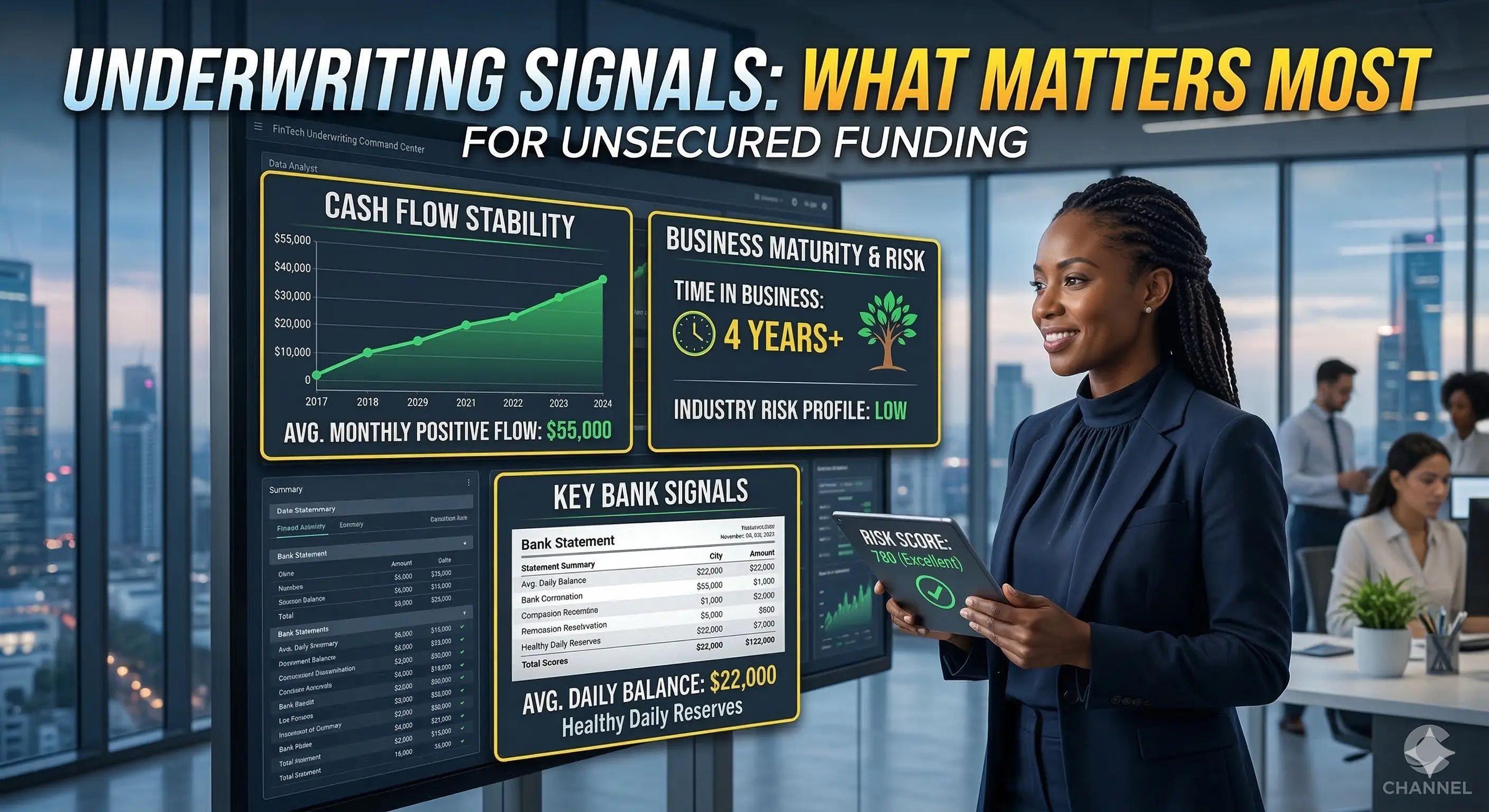
Recognizing qualification criteria is vital for emerging companies pursuing traditional loans, as these criteria can greatly affect their chances of securing funding. Commonly, financial institutions assess various considerations, including credit score, business strategy potential, and financial forecasts. A robust credit history frequently strengthens a emerging company's credibility, while a well-structured operational plan demonstrates potential for profitability. Furthermore, lenders may request collateral to mitigate risk. Startups should also factor in the length of time in business, as numerous standard lending programs prioritize well-established businesses over early-stage startups. Further considerations may include the nature of the industry and personal assurances from business owners. By thoroughly understanding these criteria, new businesses can better position themselves to satisfy lending criteria and improve their funding prospects.
Overview of the Submission Process
Maneuvering the process of applying for funding can be an intimidating task for numerous startups. Understanding the steps involved is essential for securing funding. To begin, startups must compile required documents, including comprehensive business plans, financial records, and personal credit histories. Subsequently, they should research appropriate lenders, which may include banks, credit unions, or alternative finance options. Every lender maintains distinct criteria, so adjusting applications to fulfill these requirements is essential. Following the submission of the application, startups should expect a thorough review process, which may involve meetings or requests for further documentation. Finally, if accepted, reviewing the loan terms and conditions is critical before finalizing the agreement, ensuring that startups reach well-considered decisions about their fiscal responsibilities.
Exploring Grants and Competitions for Small Business Funding
How can small businesses tap into the diverse world of grants and competitions to obtain financial support? Funding opportunities like grants and contests deliver exceptional funding possibilities that can substantially assist both startups and established businesses. A wide range of government agencies, nonprofits, and private organizations provide grants aimed at specific industries, demographics, or innovative projects. Such funds generally require no repayment, rendering them especially desirable.
Competitions, by contrast, often involve pitching business ideas to evaluators for cash prizes or investment proposals. They additionally deliver significant visibility and networking opportunities. Small business owners should diligently explore local, state, and national financial opportunities and competitions, carefully considering eligibility requirements and application deadlines. Tools including public agency portals, startup incubators, and trade organizations can help business owners discover appropriate funding sources. Through the careful use of these financial resources, small business owners can strengthen their development outlook and operational efficiency.
Exploring Crowdfunding Platforms for Your Business
Navigating crowdfunding platforms requires careful consideration of both the ideal platform and a captivating campaign message. Each platform offers unique features and audiences, making the selection process essential for success. Moreover, a well-crafted message can greatly influence the potential backers' willingness to support the business.
Selecting The Right Platform
Which crowdfunding platform best aligns with a business's goals and audience? Selecting the right platform requires careful consideration of various factors. Each crowdfunding site offers unique features, target demographics, and fee structures. To illustrate, solutions like Kickstarter are well-suited for creative initiatives, while Indiegogo typically embraces a more diverse array of ventures. Companies ought to assess their particular requirements, including financial targets, project categories, and community involvement. Additionally, analyzing successful campaigns in similar industries can provide valuable insights. The platform's community and support resources can also play a significant role in achieving funding success. At the end of the day, a carefully considered selection can maximize visibility and heighten the probability of achieving funding milestones while building lasting bonds with potential contributors.
Creating Your Campaign Message
Choosing the ideal crowdfunding platform establishes the foundation for a prosperous campaign, but the impact of a compelling campaign message should not be underestimated. A carefully constructed message should appeal to potential backers, effectively communicating the business's objectives and aspirations. It must evoke emotion, demonstrating why the project holds significance and how it can constructively influence the marketplace or audience. Including a personal story can enhance relatability, making it more natural for investors to relate. Moreover, briefly describing the investment goals and what backers will obtain in exchange is critical. Graphic materials, such as engaging images or videos, can additionally enhance the message, capturing attention and encouraging shares. In the end, clarity and authenticity are crucial in inspiring potential supporters to back the initiative.
Choosing Between Angel Investors and Venture Capital?
When considering financing options, entrepreneurs often wonder how to choose between angel investors and venture capital. Individual angel investors generally provide personal financial resources, providing not only financial support but also mentorship and industry connections. They usually invest in earlier stages of a business, prioritizing growth potential and innovative thinking. On the other hand, VC firms handle collectively managed funds and typically commit larger amounts of capital, frequently targeting established businesses with scalable models. Such funding generally operates within a more formal framework, encompassing thorough due diligence processes and a clear emphasis on exit strategies.
The decision between these two options often copyrights on the entrepreneur's specific needs. For entrepreneurs looking for a personal engagement with mentorship, angel investment could be the better choice. Conversely, if a venture needs substantial funding for swift development, venture capital investment may prove more advantageous. Ultimately, recognizing the implications of each investment avenue is vital for sound financial planning.
How to Create a Winning Business Plan for Funding
Creating a winning business plan for capital acquisition is critical, as it functions as the roadmap for potential funders to gauge the direction and viability of a company. A well-structured plan commonly features an strategic overview, presenting the business concept and market prospect. It should articulate the mission statement, vision, and key differentiators that distinguish the business from competing enterprises.
In addition, comprehensive market research is important, delivering insights into core demographics and industry trends. Financial forecasts, including cash flow reports and break-even evaluations, highlight the enterprise's earning potential.
Additionally, a well-developed marketing strategy should outline how the company aims to acquire and maintain clients. To conclude, operational and management strategies are crucial, demonstrating the team's expertise and the process of implementing the business framework. Through carefully developing these sections, entrepreneurs can effectively communicate their objectives, increasing the likelihood of attracting investors.
Establishing Strong Relationships With Investors
Securing funding is only the beginning; nurturing meaningful relationships with investors is vital for lasting achievement. Transparency and honest dialogue serve as the cornerstone of these connections. Entrepreneurs should provide regular updates on business performance, highlighting achievements and confronting obstacles openly. This fosters a sense of partnership and keeps investors engaged.
In addition, comprehending investors' goals and connecting them to the business vision is essential. By showing how their capital contributions contribute to mutual aims, business owners can boost commitment and backing.
Furthermore, valuing investors' knowledge and requesting their counsel can reinforce connections. This not only shows appreciation of their learn the details background but also fosters active involvement in the company's progress.
In the end, cultivating these connections can result in extra financing prospects, meaningful guidance, and a supportive network that can drive the business ahead. Taking an active stance on investor relations is not merely advantageous; it is a fundamental requirement for long-term success.
Popular Questions We Receive
What Are the Typical Errors Made When Applying for Small Business Funding?
Common mistakes when applying for small business funding include insufficient preparation of financial records, failure to present a solid business plan, overstated funding demands, neglecting to explore available funding options, and not addressing potential lender concerns effectively.
How Do I Enhance My Credit Score to Access Better Funding Options?
To enhance a credit score for improved financing opportunities, borrowers should make timely bill payments on a regular basis, lower debt-to-income ratios, challenge errors found on credit reports, and avoid opening multiple new accounts simultaneously.
What Documents Are Usually Needed for Funding Applications?
Finance applications generally need paperwork including a business proposal, financial records, tax filings, personal identification, and income verification. These documents help lenders accurately determine the applicant's financial condition and repayment potential.
How Much Time Does the Funding Application Process Typically Take?
The financing application process typically takes between a few weeks and several months, based on the requirements of the lender, the complexity of the application, and the quality and thoroughness of the documents submitted by the applicant.
What Steps Should I Take if My Funding Application Gets Rejected?
If a funding application is denied, the person should thoroughly assess the feedback received, pinpoint areas that need improvement, consider alternative funding sources, enhance the quality of their proposal, and resubmit their application with improved knowledge of the criteria and expectations.